
Hobart Group Supervision Collective
A 6-month, in-person closed clinical supervision group for health professionals at the South Hobart Garden Studio. Start

As with all family-focused occasions, Mother’s Day can bring up a mix of feelings:
It’s all there.
It is within this melange that we find our own complicated relationship with the components of mothering; something which may be even more complex for health and education professionals.
As we’ve identified in ‘The Helping Professionals Interview Series’ many workers in helping roles struggle to
Health and education professionals, supervisors, carers, supporters, trainers and managers are crying out for support. Yet they find themselves either unable to ask for help, or up against a system that cannot or does not respond.
Certainly, we need
In the meantime, we have workers who are burning out at rates higher than ever before.
Once again, we need to turn to the oxygen mask analogy: you can’t help someone else without first supporting yourself.
On this Mother's Day, it may be time to reconsider your needs in relation to your own care or need for self-mothering.
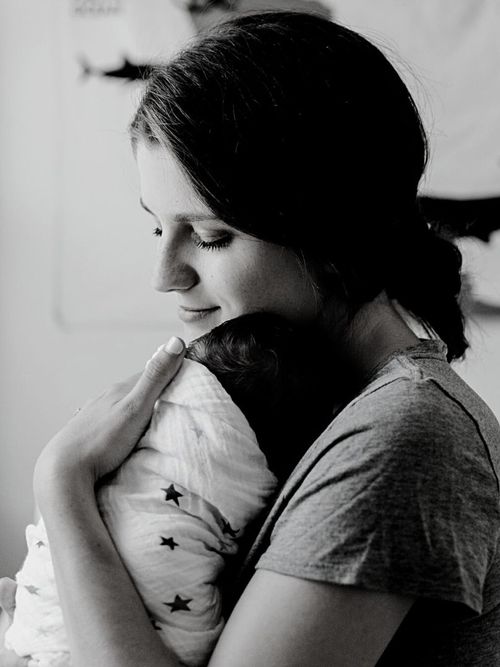
In a psychological sense, mothering refers primarily to three aspects of the relationship between mother and child: emotional warmth, personal care, and sensory stimulation.
How can we apply these core aspects of mothering to ourselves?
Given that it is hard for helping professionals to put themselves first, breaking it down into these three components may help.
Developing a practice of self-kindness is one way to kindle the fires of emotional warmth.
Here are some ideas for you:
How do you look after your personal need for food, water, sleep, rest, fun, adventure, support?
If you are calling on your most loving, caring part of yourself, how might you attend to your physical needs?
If you had a caring adult looking after you as a child, how did they feed you, support your need for sleep and rest?
If you had a difficult childhood, what did you wish for? Are you able to provide yourself with those physical needs now?
How might you care for your own child or pet? Can you you consider looking to your own needs in the same way?
When I think of a baby, I think of a mother cradling, rocking and singing to her baby. We acknowledge that babies need sensorimotor inputs, but so do adults.
How can you support your sensory needs?
What sensations do you like?
As discussed in 'What's the body got to do with it?', we have the well-established five senses of smell, taste, touch, sight and hearing, AND the lesser known components of sensory experiences of:
How might you become more familiar with these parts of your sensory experience?
Here are some ideas:
For an easy-to-read summary, see this infographic on the 3 steps of self-mothering.
Focus on the positive mothering qualities that you want to develop within yourself.
Explore and express aspects of mothering that you are angry about, or that you feel have been “taboo”.
What are some of the caretaking needs that you have right now?
How do you like to be nurtured? Cared for? Protected?
Do you even know?
How do you like those close to you to support you?
How do you like your loved ones to show they believe in you?
What are the qualities that you love most about your experience of being mothered?
If this is hard or you don’t have any, what qualities do you wish you had?
Are there any women in your life whom you admire in terms of their mothering qualities? (friends; immediate / extended family; community members; teachers; therapist; boss)
Who are they and what qualities, values or behaviours do they have?
Are there any mother figures from novels, myths, fairytales, films, popular culture that you wish you had known, or aspire to? What are their qualities?
Hobart Group Supervision Collective
A 6-month, in-person closed clinical supervision group for health professionals at the South Hobart Garden Studio. Start

Creative and Embodied Group Supervision
Online clinical group supervision for therapists, allied health and medical clinicians across Australia. Small closed group, creative and embodied process.
Header image: Jakob Owens